
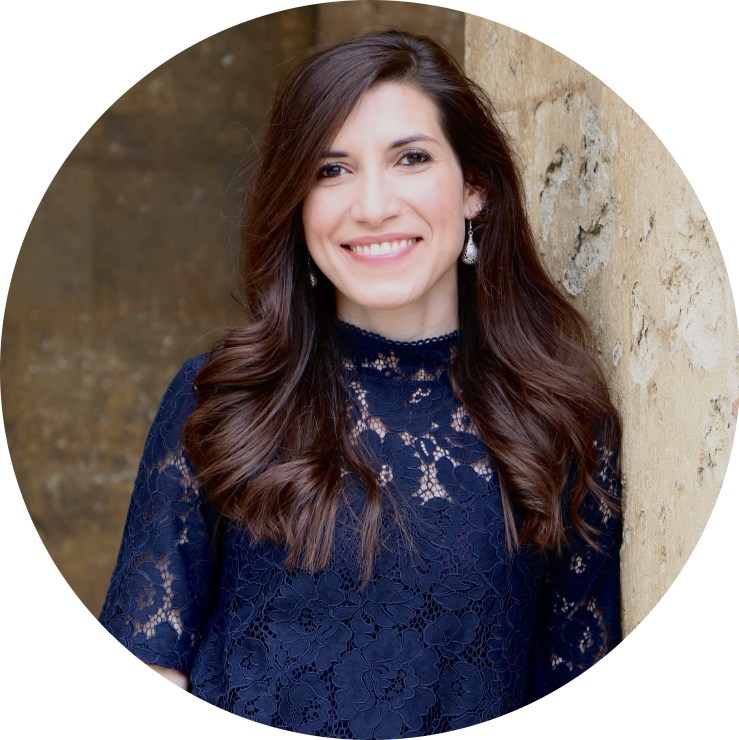
I’m a digital anthropologist who straddles academic and policy worlds. My work aims to empower people and communities to (re-) claim autonomy and agency in a digitally divided world.
My research focuses on digital inequality – the uneven impact of digital technologies on our societies and our everyday lives. I’m interested in how people who aren’t receiving the benefits of the digital world overcome or subvert systems and technologies that don’t work for them.
I have studied the way technological elites shape urban geographies and politics in the Middle East, the role of public libraries in closing the digital divide in the UK, and the planetary politics of telecoms infrastructure. I believe research is a crucial element of informed digital inclusion policy, and I regularly do interviews, deliver formal submissions and briefings, and write policy reports on digital exclusion, digital poverty, and data/digital rights.
My recent research examines community networks – internet networks built, owned and operated by local communities rather than traditional telecoms companies. I’m interested in alternative ownership models for internet infrastructure and ISPs that challenge traditional commercial markets for connectivity, which have long failed to connect “hard-to-reach” unconnected communities.
I use ethnographic methods, including participant observation, interviewing, and peer research to surface the complex relationship between people and infrastructure, physical geography and digital connectivity, technological autonomy and exploitation. (For a glimpse into one of these networks and the community it serves, check out an old newsletter I wrote spotlighting five examples of community networks, or a podcast I produced for GenderIT.org about a computer club in rural Lancashire.)
L A T E L Y
I’m editing a community-compiled history of the Broadband for the Rural North internet network in the northwest UK. And I’m also co-editing a Special Issue of Frontiers in Sociology on “Digital Health and Medical AI: Participatory Governance, Algorithmic Fairness, and Social Justice.”
E T C.
Over the years, I’ve collaborated on innovative multimedia productions from podcasts to films with academics, litigators, activists, and public health professionals all over the world.
I recently wrote and produced a podcast series about digital inequality in healthcare in the UK for the Ada Lovelace Institute. A collaborative film/research project, Queer Rural Connections – about LGBTQIA+ life in rural England – was an official selection for the 2022 BFI Flare Festival. And I’ve worked on a video series for the World Health Organization on reproductive health rights (“Right to a Better World”), a podcast about citizen science from the 19th century to today (“The Conversationalist”), a long-running podcast about human rights law in context (“Rights Up”), and more.
L I N K S
Here’s my abridged résumé.
Download: my 100 wd bio + headshot.
*My website is designed to be a low carbon / low energy demand site.*
 Kira Allmann